Preserving Diaspora Memories: Rhoda Akindele on Building the Akin Akin Archive
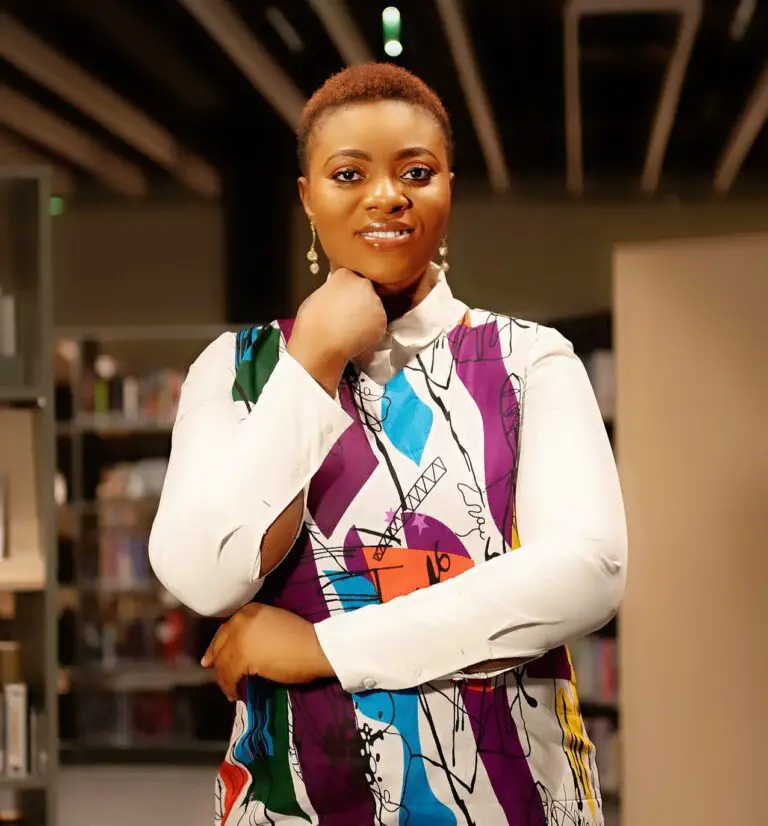
Across the diaspora, memory lives in fragments — old tapes, fading photographs, family gatherings, and stories passed from one generation to the next. For many, these moments are deeply personal. But for Rhoda Akindele, they are also history worth preserving.
Through Akin Akin Archive, Rhoda is building a living repository of West African diasporic memory — one that documents everyday life, honours elders, and makes cultural history accessible to younger generations. What began as a personal effort to preserve her late mother’s tapes has grown into a powerful archival project focused on representation, identity, and storytelling.
In this conversation with Discover Yorùbá, Rhoda shares the story behind Akin Akin Archive, the urgency of preserving diasporic memories, and how archival storytelling can reconnect people to their roots.

How did the idea for Akín Akin Archive first begin, and what need were you trying to meet?
The idea for Akin Akin Archive began with a personal discovery. After my mother passed away, I found a collection of 35 tapes she had kept over the years. As the family historian, I felt a strong responsibility to digitise them and preserve those memories. What started as a personal project quickly revealed something much bigger.

At the same time, I became increasingly aware of a gap in traditional archives. In the UK, Black stories — especially everyday moments of family and community life — are often underrepresented or held within institutional archives that can feel inaccessible or gatekept. A key motivation behind Akín Akin Archive was therefore to contribute to changing that — to create space for these stories to exist, be preserved, and be shared more openly.
Many of the recordings captured deeply personal moments — baby dedications, birthday parties, and everyday family gatherings — yet I was amazed by how many people felt represented by them. It made me realise that while these memories belonged to one family, they also reflected a wider communal experience.
Although I’ve attended various short courses in London to develop my practice, my relationship with archiving actually started long before I had the language for it. I’ve always had an instinct to document and preserve moments. This began through journalling, filming my friends on YouTube, and eventually moving into photography. In many ways, I see myself as both a child of the digital age and someone who experienced the final years of analogue media.
My fascination with photography and film also grew through my relationship with my mother. Before every Òwámbé, she would ask me to take pictures of her, making me her personal “camera girl.” Through that, she taught me the importance of documenting life and preserving memories — whether through tapes, photographs, or digital media.
The Akin Akin Archive is therefore an extension of that tradition. It’s a way for me to honour those memories while approaching them through a more formal, theory-led practice of archiving and storytelling.
I often describe myself as a multidisciplinary creative — someone who wears many hats. Ultimately, my ambition is to document and share diverse stories across different art forms. Whether as a content creator and storyteller, a budding digital archivist and story-sharer, or a photographer and memory maker, my work is about preserving narratives that might otherwise be forgotten.

The name “Akin Akin Archive” carries strong cultural weight. What does the name mean to you?
The word Akín is a prefix derived from my surname, Akíndélé, which means “the brave one” or “the warrior has returned.” It is paired with the English word Akin, meaning to be bonded with another by similarity or relation.
The two words combined suggest that by being part of the West African diaspora, you are essentially kin — or akin — to Akíndélé. The usage of the prefix Akín (warrior/brave one) refers to the resilience of the global West African diaspora and its descendants. Even through conflict and colonisation, we’ve been able to preserve key remnants of our various cultures that emphasise our natural connectedness.
Overall, the project is named Akín Akin Archive because it will be a collection of West African history that highlights our natural affinity for preserving legacy while increasing Black representation in the archival sphere.

Your work focuses on preserving West African history in the diaspora. What stories feel most urgent to document?
The stories and experiences of our elders feel especially urgent to document. As they approach their latter years, it’s important to me that their histories are shared in their own voices. Oral history has always been a vital part of our culture, and capturing those memories before they are lost is something I care deeply about.
Through the archive, we’re continuing to build on that sense of nostalgia by exploring the people who appear in the tapes — learning more about their lives, reconnecting with them where possible, and remembering those we’ve sadly lost through time.
I’m also interested in collecting more analogue materials. Tapes, photographs, and other physical media carry a particular kind of memory and texture that feels important to preserve. At the same time, analogue formats can be temperamental, and technology itself is fragile. Because of that, there’s a real urgency to digitise and safeguard these collections before they deteriorate or become inaccessible.
Ultimately, the everyday moments of diasporic life — family gatherings, celebrations, community events, and quiet in-between moments — are the stories I feel most compelled to document. They may seem ordinary, but together they form an important record of our collective history.

How do you decide what becomes part of the archive?
Personal memory and personal collections are naturally informed through historical context. For example, in the tapes you can tell a lot about the era by the music played and the outfits worn. For the more inquisitive viewer, this may inspire research into why communities gathered at those events or what led to West African migration to Britain at the time.
Since we’re focusing on adding context, we’ll also share other forms of media — newspapers, documents, photographs, and more — to help narrate this history. It’s not just about the past, so contemporary reflections on history will also appear on the page.
We’re looking for stories across the West African diaspora, so anything that fits that brief — whether personal or general — becomes part of the archive.

How does your archive help people reconnect with their roots?
I knew I was Yorùbá from the womb, it seems. My mother would take me to her Ìgbómìnà social group meetings a few times a year, and I grew up in a very Yorùbá part of London. I didn’t have to be too intentional to stay connected.
However, many people don’t have that kind of upbringing. What the archive does is remind people how they can stay connected. One of the most important ways is seeking community and third spaces that allow you to engage with culture, just as our parents did as new migrants.
If you can’t find a community where you are, you can engage with culture through food, fashion, film, archival footage, and literature.
What challenges have you faced in collecting archival material?
One of the biggest challenges has been the limited amount of existing archival material within West African communities in Britain. Migration meant many families had to downsize belongings, and frequent relocations made it difficult to preserve photographs, tapes, and documents.
The Yoruba diaspora is relatively well documented, so it has been easier to source those materials. However, it has been much harder to find archival materials representing other West African communities.
A Sierra Leonean friend once described me as one of the “lucky ones.” Because of the civil war, her family lost many materials that could have formed a family archive. For many families, those objects no longer exist.
What has been powerful, though, is how engaging with the archive sparks conversations. When she viewed some of the tapes I digitised, it prompted her to ask questions within her own family and reflect on her history. In that sense, the archive is not only material but also immaterial — even when objects are lost, memories can still be preserved through storytelling.
How do you make history accessible for younger audiences?
Our audience grew quickly on TikTok, with younger generations asking questions, debating cultural practices, and elders providing explanations. The page has become a kind of forum — a place that provokes research and encourages learning.
We’ve made history accessible by posting bite-sized clips with detailed captions, and the comments section becomes a live forum that keeps the learning process lively and interactive.
What’s next for Akín Akin Archive?
I’m very excited about an upcoming film project called Through the Lens, directed by Seyi Sanyaolu. He recognised his childhood self in snippets we posted online and will now be using some of our footage in the storytelling.
The film explores grief and the hardships first-generation Nigerian migrants experienced in the UK. While nostalgia often romanticises the era, many migrants experienced discrimination and isolation, which led them to seek community — the joy that people now see in the tapes.
We’re also exploring a documentary series engaging elders seen in the tapes, now in their 60s to 90s. Beyond that, we’re looking forward to intercontinental collaborations across West Africa, the Caribbean, and South America, documenting diasporic experiences.
Ultimately, our aim is for the footage to become educational resources for people seeking first-hand accounts of West African and diasporic experiences in the future.
Closing
Through Akín Akin Archive, Rhoda Akindele is doing more than preserving tapes — she is preserving identity, community, and memory. Her work reminds us that history is not only found in textbooks or institutions, but in living rooms, celebrations, and everyday moments.
By documenting these stories, she is ensuring that future generations of Yorùbá and West African descendants will not only remember where they come from — but also see themselves reflected in the archive.
For Discover Yorùbá, conversations like this continue to highlight the importance of documenting culture, honouring memory, and keeping our stories alive.